
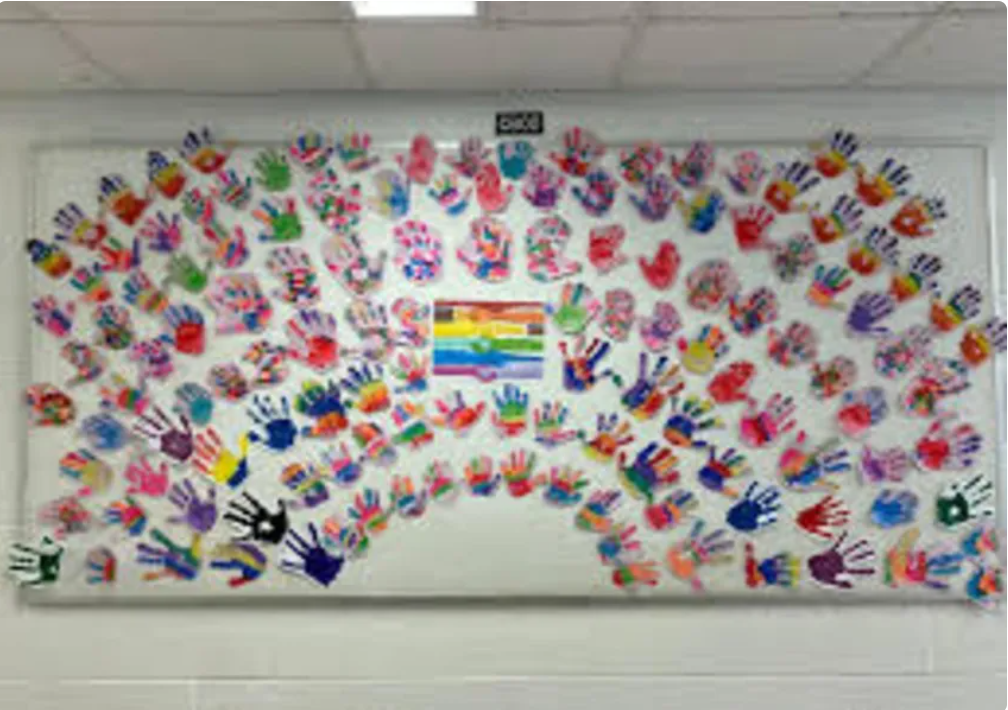
A child does not usually enter a classroom carrying the language of bias. In the early years, children are more likely to notice who got a bigger share, who was picked first or whose turn it is to speak than differences of race, colour, identity or background. Prejudice is rarely born in childhood; it is often learnt. That is why schools have a powerful responsibility to teach inclusion, equality and respect before exclusion becomes a habit.
The need for inclusive classrooms is not only moral, but educational. According to UNESCO, almost one in three students globally has experienced bullying in some form. UNICEF has also highlighted that peer violence and bullying continue to affect children across school systems. These numbers show that children do not only need academic instruction; they need safe spaces where dignity, difference and belonging are actively protected.
Classrooms as the first space for belonging
Pride Month brings this conversation into sharper focus. While it is often seen through the lens of identity, its larger message for schools is about acceptance. Classrooms must teach children that being different is not a weakness, and that respect cannot be selective.
Mr Praneet Mungali, Trustee, Sanskriti Group of Schools, said that children do not naturally carry prejudice unless it is taught to them. Recalling an episode where children between six and 10 were asked about differences among them, he said none of them referred to race, colour or appearance.
“The children only talked in an innocent manner with no signs of hatred or racial discrimination among them. These children did not hold any kind of prejudice; instead, they were just being children,” Mungali said.
He added that inclusion can be built over time when schools create environments where every child feels safe, respected and accepted. “By teaching inclusion, we can establish an environment wherein all the kids feel safe and respected as well as accepted. Inclusion teaches the kids how belonging to different backgrounds and families can be and how this can teach them to be empathic toward others and treat them well,” he said.
Teaching fairness beyond the self
For educators, this means moving beyond one-time activities or symbolic observances. Inclusion has to be visible in classroom language, peer interactions, reading material, school assemblies, counselling systems and teacher behaviour. Children learn respect not only through lessons, but also by watching how adults respond to difference.
Sonica Aron, Founder and Managing Partner, Marching Sheep, said children often understand fairness first through their own experiences. “As a mother, I have spent years listening to children negotiate fairness. Who got picked first, who got a bigger share, whose turn it is and why someone else got something they did not,” she said.
According to Aron, children are naturally quick to identify unfairness when it affects them, but schools must help them understand experiences beyond their own. “That is why Pride Month matters in schools. Classrooms help young people develop empathy, respect and the ability to make space for differences,” she said.
She added that inclusion cannot be left to chance. “Inclusion is not something we simply expect children to know. It is something we teach, model and reinforce every day. Because the habits of inclusion we learn as children often shape the adults we become,” Aron said.
Respect as a school culture
This is especially important in India’s diverse school ecosystem, where students come from different languages, regions, faiths, family structures, economic backgrounds and identities. A child who feels unseen in school may participate less, withdraw socially or struggle emotionally. On the other hand, a child who feels accepted is more likely to learn, ask questions and build confidence.
Sana Raees Khan, Founder, SRK Legal and Supreme Court lawyer, said Pride Month reminds schools to treat all students with respect and kindness. “Schools can help all students learn and grow by saying it is okay to be different and by giving them chances to talk about things and learn from each other,” Khan said.
She said classrooms must become places where students are encouraged to be themselves. “When teachers make their classrooms places where everyone is respected and included, they are helping the next generation learn how to care about what other people are going through and how to be okay with the things that make us different from each other,” Khan said.
Why it matters beyond pride month
The larger message is clear: inclusion is not an additional chapter in education; it is the foundation on which learning stands. A school that teaches respect early does more than prevent bullying. It prepares children to become adults who can listen, disagree without dehumanising, and build communities where dignity is not conditional.
If classrooms are where children first learn how society works, then inclusion must be taught there with the same seriousness as literacy and numeracy. The future of equality may begin with a simple classroom lesson: everyone belongs.