
Work culture is shifting. Millennials entered the workforce during uncertainty, where stability shaped their choices. Gen Z is entering with clear demands, better pay, hybrid work and defined boundaries. Their perspectives reflect two different economic moments now meeting in the same workplace.
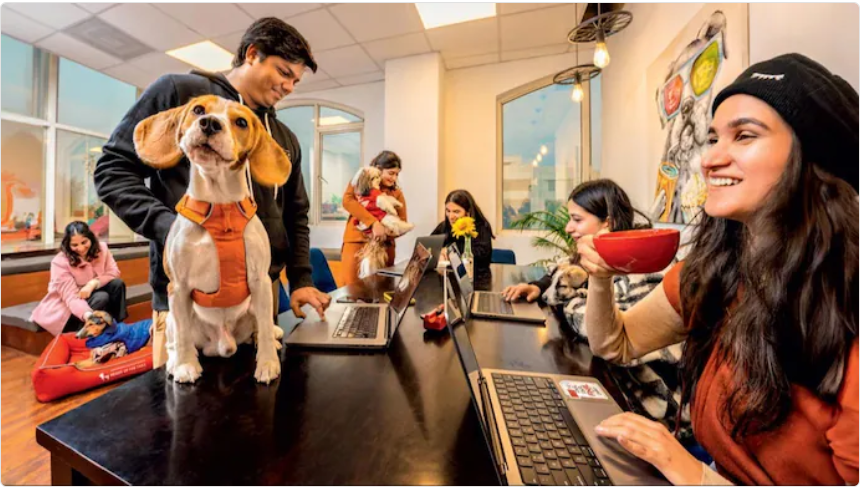
In 2004-05, work culture meant office hours, hierarchy and always being ready to work. Physical availability and deference to seniority defined a good employee. The start-up wave later introduced ping-pong tables and open offices as symbols of a new work culture, but much of it was cosmetic.
Now, Gen Z has called that bluff. Good pay, handsome salaries and work with mental peace are now moving together for this generation.
Today’s work culture is outcome-based, boundary-respecting and values-aligned. Employees want to know if leadership walks the talk, whether dissent is tolerated and whether flexibility truly means autonomy.
Culture is no longer what companies announce in brochures; it is what employees post online after they resign.
“The term “work culture” has evolved from its original meaning in 2005 to its current state through the development of flexible work arrangements, which prioritise employee needs. In 2005, organisations considered work culture to be a combination of employee loyalty and the requirement to be physically present at work,” says Gitesh Gupta, CEO Aimlay.
“How much can you pay?”
Abhiyukt, 22, asked this at an interview in 2025. A fresher from Ghaziabad with an engineering degree from a local college, he did not ask about industry standards. He asked what he could be offered for the skills he brought and the effort he was willing to invest.
In 2003, Saurabh, now 43 and a software engineer at one of India’s top firms, walked into his first interview with a different concern. He hoped to secure a job. Salary was secondary. Work principles and employer reputation held weight.
“Back then, job security was the biggest concern,” he recalls. India was still absorbing the aftershocks of liberalisation. The economy was expanding, but caution shaped ambition.
“For Gen Z, switching jobs is not rebellion — it’s leverage. It accelerates salary growth, skill acquisition, and exposure. Where Millennials sought security within institutions, Gen Z seeks security in skills,” says Sonica Aron, founder and managing partner, Marching Sheep.