
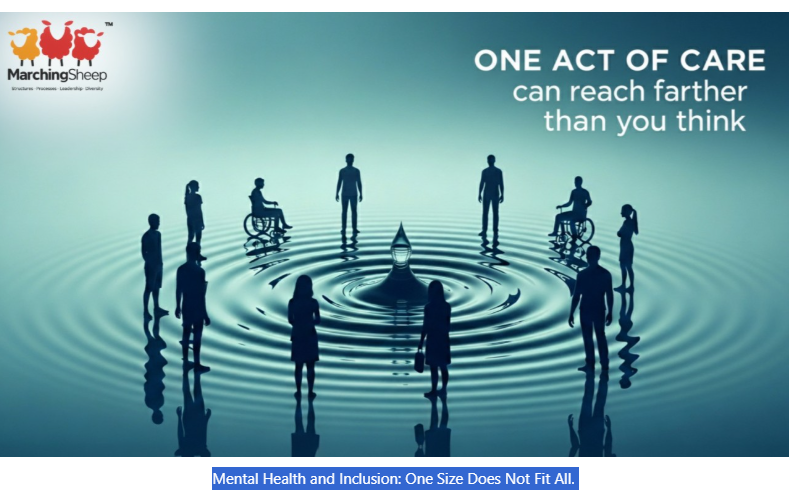
Mental health is often treated differently from physical health. For example, a person with a broken arm might wear their cast proudly, even inviting friends to sign it. But when someone struggles with mental health, they tend to hide it, fearing judgment, as if something is personally wrong with them. Yet both situations, broken bones or a chemical imbalance in the brain are medical conditions that require care and support.
With timely treatment, people generally recover, and their essential qualities, aspirations, and achievements remain intact. So why does mental health feel so different? It’s because each person’s mind is unique processing experiences and challenges in individual ways. This uniqueness crosses all lines: age, gender, background, sexuality, life stage, and more.
Recognising the Diversity in Mental Health Needs
Despite widespread conversation and new options for support, not all people’s needs are met equally. Mental health apps, meditation sessions, or an in-office counselor can help some, but not all. Consider these real-world situations:
- Someone recovering from workplace sexual harassment.
- A parent caring for a child with disability.
- A person with a difficult home environment.
- An employee experiencing workplace toxicity.
- Someone accused in a POSH (Prevention of Sexual Harassment) case.
- A son or daughter worried about an aging parent left alone.
Each of these people faces distinct pressures and emotions, frustration, helplessness, anger, guilt, overwhelm. And there are many more nuanced cases: young professionals negotiating early-career anxiety, new parents juggling roles, caregivers feeling stretched thin, older workers worrying about being valued, employees hiding invisible disabilities or aspects of their identity, and those burdened by ongoing micro-stress at work. These are not abstract scenarios; they’re the real lives of colleagues around us.
Beyond “One Size Fits All” Solutions
Many organisational mental health initiatives budgeted wellness programs, insurance plans, or standard-issue health checks work on a uniform model. These help but aren’t enough to account for the rich diversity within any organisation. A more effective, inclusive approach offers choice and flexibility:
- Population-level supports: General resources like manager training, stigma-reduction campaigns, and health events open to all.
- Targeted supports: Specialised resources for maternity or perinatal needs, caregiving coaching, accommodations for neurodiversity, or accessible counseling for LGBTQ+ people.
- Flexible pathways: Combining self-guided digital programs for everyday concerns, specialist referrals for complex needs, and a panel of counselors who understand diverse backgrounds, with options for in-person consultations.
Organisations should ask: are programs a true reflection of people’s diverse realities, or just a checkbox exercise? The biggest opportunity lies in letting people choose from a “menu” of options rather than sticking all into a single box. This not only increases engagement, but also raises morale, improves productivity, and creates healthier workplaces.
The Power of Clear Communication
A key barrier is confusion: sometimes policies are generous but hard to navigate. Clear, simple information about what’s covered, how to access support, and who to contact can make or break a program’s effectiveness. It helps when resources come with:
- Easy guides mapping problems to solutions: E.g., what to do if dealing with caregiving stress, where to turn for LGBTQ-affirming support, or how to get neurodiversity accommodations.
- Plain language: Avoiding jargon and legalese so information is accessible.
- Transparency about confidentiality: Explaining how personal information is handled puts people at ease and encourages them to seek help.
When processes are transparent and user-friendly, people access support sooner and outcomes improve.
Efficient, Flexible Customisation
Some worry that more tailored offerings cost too much. But smart design can increase meaningful choice without driving up budgets:
- Swap-and-choose models: Employees can pick the mix (therapy, peer-support, coaching) that’s right for them.
- Tiered offerings: Core digital or foundational programs for all, with add-ons for more specialised needs.
- Specialist partnerships: Collaborate with providers who understand minority stress, caregiver challenges, or other specific issues.
The goal is not unlimited options, but better matches leading to faster recoveries, fewer relapses, and lower long-term costs.
Practical Principles for Inclusive Support
- Center on lived experiences: Co-create services with people across different life stages and identities.
- Offer clear choices: Menu of options with details on what’s covered and realistic timelines.
- Accessible formats: Virtual, in-person, and asynchronous options, plus cultural competence and provider diversity.
- Upskill managers: Equip leaders to spot signs of distress and offer empathetic guidance.
- Respect privacy: Health information should be separate from performance data; privacy policies must be transparent.
- Measure outcomes that matter: Track both usage and improvement including feedback from underrepresented groups.
Quick, small steps can be powerful: run listening sessions to gather diverse perspectives, map existing supports against real-life needs, create simple one-page guides, run pilot programs, and focus budget discussions on “impact per rupee”.
For example: In one case, a swap-and-choose pilot (allowing people to select coaching, therapy, or peer-support) increased usage and improved functional outcomes, with lower recurring leave for mental health.
Building Safe, Human Workplaces
Ultimately, mental health at work isn’t only about insurance or therapy, it’s also about culture. Supportive, stigma-free environments where people can speak honestly, leaders listen respectfully, and teams offer empathy make the real difference. Open conversations, clear communication, and real choices signal that everyone matters.
Moving Forward
There’s no one blueprint, but progress starts with these basics: listen before acting, communicate clearly, offer real flexibility, and build genuine safety for all. Mental health is at the heart of inclusion when we acknowledge diverse realities and empower people to seek care in their own way, we build organisations that are not just productive, but kind. Because when people feel they matter at work, they don’t just work better, they live better.