
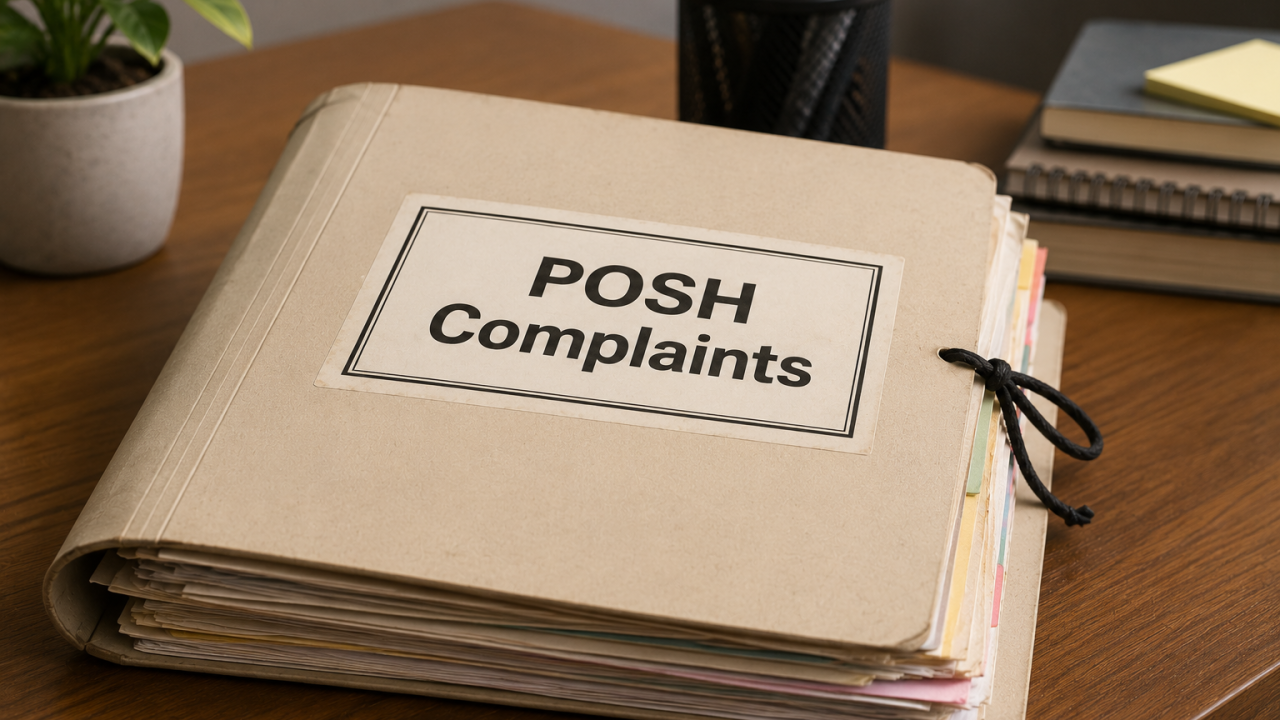
For years, too many organisations in India have treated POSH compliance as an annual ritual: constitute an Internal Committee, run one training, put up a poster, file the report, and move on. That approach was always thin. Today it is a liability.
The ground is shifting. Maharashtra has reportedly moved towards making POSH compliance part of the annual audit of private companies, and Karnataka has strengthened its directions on Internal Committee constitution, compliance monitoring and SHe-Box reporting. The regulatory message is unambiguous. POSH is not a “good to have,” it is not an HR formality, and it is not something to be pulled out of a drawer only when a complaint lands. It is a legal, cultural and governance responsibility, and it sits squarely with leadership.
And yet, in boardroom after boardroom, the sentence we hear most often is, “We have never had a POSH complaint.” It is usually said with a quiet pride, as though the absence of complaints were proof of a healthy workplace. It is not.
No complaints does not mean no incidents
In my work with organisations across sectors, I’ve learned to be wary of that silence. No complaints can mean many things, and very few of them are reassuring. It can mean employees do not trust the system to protect them, or that they genuinely do not know what qualifies as harassment, or that they fear being labelled “difficult” and watching that label follow them through appraisals and promotions. Sometimes it means they have already seen what happened to the last person who spoke up and have drawn the obvious conclusion. And sometimes it simply means they have normalised their own discomfort because “this is how the workplace is.”
Silence is not the same as safety. It is not the same as dignity, and it is certainly not the same as consent. More often than not, silence means the organisation has not yet earned enough trust for its people to speak.
This is the line that separates compliance from culture. A workplace can have an immaculate policy and still be unsafe. It can have a fully constituted Internal Committee and still feel intimidating to approach. It can run training every single year and still allow suggestive comments, unwanted familiarity, quiet exclusion, retaliation and the misuse of power to continue unchecked. So the real question is not “Do we have a POSH policy?” The question leaders should be asking is far harder: “Do our people actually believe this policy will protect them?”
Managers make or break this
Here is the part leadership teams consistently underestimate. Most employees never experience culture through the CEO’s townhall or the HR handbook. They experience it through their immediate manager.
A manager is the one who decides whether a concern is waved away as “overthinking” or taken seriously, whether team banter is allowed to curdle into bullying, whether someone who raises a hand is protected or quietly isolated, and whether a high performer’s results are allowed to excuse their behaviour. Managers are our first line of prevention, and when they get it wrong, they become the first point of failure. That is precisely why POSH training cannot remain a tick-mark module that people click through while answering email. It has to build judgement: the ability to recognise harassment when it is subtle, to respond without blaming the person who came forward, to hold confidentiality, to separate intent from impact, to intervene in the moment, and to hold the “valuable” employee to exactly the same standard as everyone else.
The cost leaders are not counting
The penalty under the law is the smallest part of the bill. The real cost of not taking POSH seriously is the slow erosion of trust, the silent attrition of people who quietly stop bringing their full selves to work, the women who opt out of stretch opportunities, and the teams who learn, simply by watching, that power protects power. After that come the things every leadership team claims to care about most: employer brand, reputation, leadership credibility and, eventually, business performance itself. No organisation grows sustainably when its people are spending their energy protecting themselves instead of contributing fully.
None of this is about sparking fear. It is about driving clarity. Clarity on what is acceptable and what is not, on how to report and how complaints will be handled, on confidentiality and on consequences, and above all clarity that respect is not optional and dignity is not negotiable.
India’s regulatory environment is sharpening, employees are more aware than they have ever been, social media has made reputation fragile, and younger talent is watching closely, judging organisations not by what they say but by what they tolerate.
So the question for every leadership team is simple, and it deserves an honest answer. Are we POSH compliant on paper, or are we building a workplace where people genuinely feel safe, heard and respected?
Because POSH was never about avoiding complaints. It is about building a culture where discomfort is not normalised, where silence is not mistaken for comfort, and where dignity is protected before damage is done.