
Code-

Things No One Tells First-Time Mothers

Motherhood is often painted as a picture-perfect moment—the glowing mother, the peaceful baby, the joyful family. But for many women, especially first-time mothers, the journey feels far from picture-perfect. It’s filled with doubts, sleepless nights, identity shifts, unspoken guilt, and expectations—most of which no one prepares you for.

At Marching Sheep, we work closely with women navigating life transitions, and motherhood is one of the most discussed and challenged of them all. This article is an attempt to hold space for every mother who’s ever felt overwhelmed, unseen, or alone in her experience.

Your body doesn’t just “bounce back”—and that’s okay.
Let’s begin with the most visible change. Pregnancy and childbirth transform your body in ways that are powerful, beautiful, and deeply human. Yet, society continues to glorify women who “bounce back” to their pre-pregnancy size within weeks.

What no one tells you is that your body has done something extraordinary. It’s been a home, a source of nourishment, and a channel of life. It deserves rest, respect, and recovery—not pressure to shrink.

You might experience hair loss, swelling, hormonal acne, stitches that don’t heal as quickly as you’d hoped, or just an unfamiliar feeling of disconnection from your own body. And all of it is valid.

Take the pressure off. Your body is healing, not failing.

Postpartum is more than a phase—it’s a storm of changes.

Postpartum depression is talked about now, but not nearly enough. And beyond depression, there’s also anxiety, mood swings, rage, numbness, and an unexpected sense of loneliness, despite being surrounded by many people.

You may not instantly feel attached to your baby. You may cry without knowing why. You may miss your old life and feel guilty for it. These are not signs of weakness—they are signs of real, raw motherhood.

And support here is key. Don’t be afraid to reach out—for therapy, for a friend’s ear, or just to say, “I’m not okay today.” That’s brave, not broken.

Breastfeeding isn’t always natural—and it can be hard.

There’s a narrative that breastfeeding is instinctive and many first time mothers are caught unawares. For some strange reason even doctors do not prepare first time mothers for this. Most first time mothers experience pain, latching issues, low milk supply, mastitis. The sound of a hungry wailing baby and the inability to feed heightens guilt and depression. The tussle between letting the baby have formula milk and the guilt is tiring.

No one tells you that breastfeeding can feel like a full-time job, that it takes 3 to 5 days to normalise—and that it’s okay to supplement till then. What matters is that your baby is fed, and you are mentally and physically well.

You’re not a “lesser” mother for doing what works best for you and your baby.

You might feel isolated—even when surrounded by people.

You’ll be visited, celebrated, and showered with advice. Even when you want to be left alone and just rest. It is ok to draw boundaries and let people know when you want to be visited.

Then comes the road to getting to know your baby and settling into a rhythm.

The silence between feeds. The endless diapers. The feeling that your world has shrunk to one room, one baby, one routine.

What first-time mothers often don’t hear is this: It’s okay to feel this way. You haven’t lost yourself—you’re slowly becoming someone new.

Find small ways to reconnect with yourself. Step outside for a walk. Call a friend. Journal. Do nothing for five minutes. These moments will help you hold on to “you” while embracing “mom.”

Support from your relatives matters more than you think.

Your relationship with your parents, in-laws, siblings can shape your postpartum experience in many ways—especially in Indian households. A kind word, a helping hand, or simply someone holding the baby so you can sleep can mean the world.

Unfortunately, many new mothers feel that they have to do everything themselves. Stemming from possessiveness,or insecurity, or fear of being judged, or simply being a perfectionist, or not having built or nurtured relationships, many mothers find themselves in a situation where they do not have familial support.

To every new mother reading this: Support of loved ones is powerful. It helps you heal and recover faster.

You will be bombarded with advice—learn to filter it.

Everyone will have an opinion—how to hold the baby, what to feed, when to sleep train, which oil to use. Some will be helpful, some will not. And some will make you question yourself.

Here’s a truth no one says enough: You can say no. You can smile, nod, and do things your way. You know your baby best. Trust your instincts. Learn, unlearn, and keep what feels right for you.

Motherhood doesn’t come with a one-size-fits-all manual. It’s a constantly evolving relationship.

You may feel like you’ve lost yourself—and that can be scary.

You’re no longer just you. You’re someone’s mother now. And that can feel incredibly grounding and terrifying at the same time.

Your identity shifts—from professional to parent, from partner to caregiver. You may miss your work, your wardrobe, your independence. And you might feel guilty for wanting those things back.

Here’s the truth: You can be a mother and still have your own life. Just give it time.with prioritising, delegation, co-parenting, it will work out.

There’s no perfect mother. And striving for perfection will only drain you.

Social media shows mothers as curated haloes—Homes that look like 5 star hotels, dinner tables that look like a master chef contest, a mother who has just walked off the ramp and a cuddly gurgling baby. But behind every post, there are meltdowns, messy kitchens, and moments of complete exhaustion.

Don’t chase perfection. Look for presence. Choose connection. Some days you’ll be patient. Some days you’ll lose it. And that’s okay. Your child needs a real, grounded, emotionally available parent—not a perfect one.

You are allowed to ask for help. You are allowed to rest.

You don’t have to do it all alone. You shouldn’t.

Parenting was never meant to be a one-person show. Let people help. Let your partner carry the load. Let your family support you. Hire help if you can afford it. Sleep when you need it. Eat what you crave. Cry if you must.

You’re not a machine. You’re a human being. A woman learning to navigate new terrain.

Joy will hit you in unexpected moments. Feel it.

That gummy smile. That first time they make eye contact. That strong grip. That quiet moment when they fall asleep on your chest.

These moments will come. Slowly, quietly, like tiny gifts that soften the tough days. Let them in. Hold them close. Let yourself feel joy—even in the middle of chaos.

In closing…

Motherhood is not a finish line to be crossed or a checklist to be completed. It’s a complex, evolving, deeply personal journey.

And as a first-time mother, what you truly need is not judgment or pressure—but support, understanding, and space to grow into your role.

At Marching Sheep, we believe in inclusive ecosystems—at home and at work—where women feel seen and supported across life stages. And motherhood is one of the most talked about, judged yet least supported stages.

If you’re a first-time mother reading this: You’re not alone. You’re doing more than enough. And you deserve kindness—from others and from yourself.
Link –  Things No One Tells First-Time Mothers

Read more

Why I Started 21 Marching

There are moments in one’s journey that stay with you—not because they were the most successful or happiest, but because they made you stop, reflect, and change.

One such moment was many years back, when we first began our DE&I journey.

It started like any other hiring decision. We had a new team member as an HR consultant at Marching Sheep. During the selection process, she came across as bright, driven, and passionate about the field—her aspirations aligned beautifully with what we stood for. I believed she could do great things.

But a few months in, something wasn’t working. I noticed she was struggling with execution. Tasks took longer than usual. Follow-through on details wasn’t consistent, and documents often came back with errors. Since the pandemic was at its peak, we were all working remotely, and virtual communication was key to seamless coordination and communication. The team often found the team member unresponsive, not for hours but for days.

There were multiple rounds of feedback, two-way conversations on how we could help, to understand where she was struggling and to help her meet the expectations. But after 4 months, I decided to put her on a Performance Improvement Plan (PIP). It was a difficult call, but a necessary one.

During that first conversation, she opened—she had dyslexia. Until that moment, I had no idea. And to be honest, I had never considered that she could be struggling with a neurodiverse condition. I had no idea, in that moment, how to be a manager to a person with dyslexia.  I didn’t know much about dyslexia either except for having watched the movie ‘Taare Zameen Par.’ And I felt ashamed.

I heard her out, how she was trying to cope. I asked her why she did not reveal earlier, and she shared how she had been rejected in every interview where she disclosed. I closed the meeting with candidly telling her that I did not know how, but we will work something out.

I realised I needed to understand better. I began reading, asking questions, and reflecting.

What stayed with me was this—she didn’t know about her dyslexia for most of her life. She just assumed she wasn’t quick enough or organised enough. Imagine living with that weight of self-doubt, every single day. She had gone through life assuming that her challenges were just personal shortcomings, not something neurological or systemic. That stayed with me.

After her disclosure, we had a team conversation—open, honest, and deeply human. We realigned her responsibilities, leaning into her strengths: ideation, strategy, storytelling. She wasn’t a fit for a fast-paced, execution-heavy role, and that was okay. We created space for her to contribute in ways that worked for her.

Her role evolved. We created a space where she could still contribute meaningfully without burning out.

We also did something new. We gathered in a “heart circle”—a safe space where every team member shared something personal. Stories of anxiety, grief, divorce, burnout. And then, she shared her story of discovering dyslexia. That moment shifted something—within the team and within me.

Despite all this, I know we didn’t get everything right. The role eventually became a toned-down version of what she had originally aspired for, and that frustrated her. She had personal challenges. Her eyes were sensitive to screen light. She needed more support than we knew how to provide at the time, and she eventually left. We tried — we tried harder — but sometimes, intent alone isn’t enough.

This experience—along with many others—opened my eyes to the world of hidden disabilities: neurodivergence, mental health conditions, learning challenges, chronic illnesses. They don’t always show up on the surface. Often, even the individual navigating them doesn’t have the language or diagnosis. So how do we expect our workplaces to respond?

This is where Marching Sheep as an organization becomes so much more than an HR consulting. We’re not just here to solve people problems. We’re here to help organizations become human-centred ecosystems. We work at the intersection of business outcomes and lived experiences—where inclusive policies, leadership development, and empathy come together.

And this is why I started 21 Marching.

It’s an initiative that started as candid conversations that brought to light 21 lived experiences of Persons with Disabilities (PwDs)— of each of the 21 disabilities covered under the RPWD act. These were weekly conversations that went on for 6 months, but this was just scratching the tip of the iceberg. We then launched deeper research. 18 months of engaging with Persons with disabilities, their caregivers, employers, allies, understanding statutes, not just in India but across 19 countries. The outcome- The copywrited Playbook- 21 Marching- Building disability Confident organizations which has helped many organizations start their journey towards PwD inclusion.

Inclusion is a journey, and our purpose is to make a difference to People’s lives and careers. In the process of research, we built a strong network and community, people eager to take charge of their careers, livelihood, and financial independence. So, for the first time, Team Marching Sheep took on recruitment assignments. Here again, we do it our way.

Each candidate is handheld and explained the role, the company, and industry in detail before forwarding their resume. Once selected, we keep in touch with the candidate. Our purpose is simply not to get numbers done, but to make sure that the candidates we place have a long-term flourishing career with the company they join.

Inclusion isn’t about grand gestures. It’s about intention. It’s about asking the right questions and doing the right thing- one step at a time.

  • What do you need?
  • How can I support you better?

At Marching Sheep, we say this often— “From intent to action.” That’s not just a line. It’s a daily commitment.

We can’t always get everything right. But when we know better, we must do better. 21 Marching is my invitation—to organisations, leaders, teams, and even to us—to pause, reflect, and move from awareness to action.

Explore the stories here: 21 Marching

Let’s march, together.

Sonica

Link –  Why I Started 21 Marching

Read more

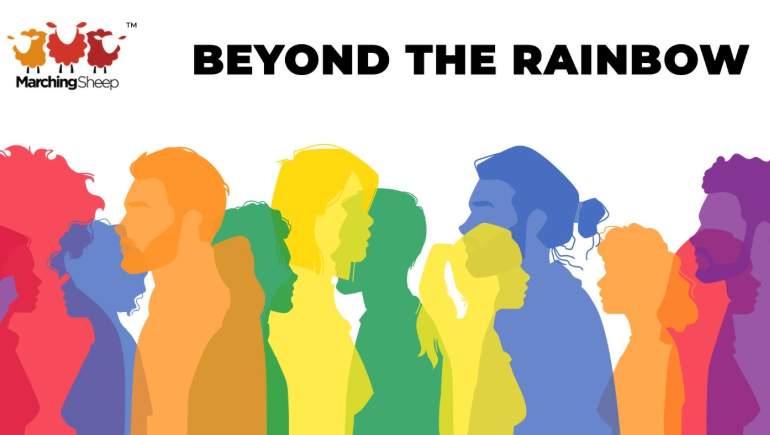
Beyond the Rainbow: How Corporate Allyship is Evolving in 2025

From symbolic gestures to systemic change—what new-age allyship looks like and where most organizations still fall short.

Every June, rainbows flood social media feeds, company logos transform into multicolour mosaics, and allyship becomes a trending topic. Pride Month is a powerful reminder of the long road the LGBTQIA+ community has travelled—and the miles yet to go. But as we step into 2025, it’s time to ask: Is corporate allyship evolving beyond the rainbow? Or are we still stuck in performative rituals?

At Marching Sheep, we’ve spent the last decade working closely with organisations to shape inclusive ecosystems—ones that go beyond campaigns and celebrations. What we’re seeing in 2025 is both heartening and cautionary. The conversation around allyship is getting more nuanced, more intersectional, and more systemic. Yet, in many places, the action is still limited to what is visible, safe, and surface-level.

So, what does authentic allyship look like in 2025—and how can organisations embed it meaningfully?

From Visibility to Vulnerability: The Shift in Allyship

Corporate allyship used to be about visibility—participating in Pride parades, putting up posters, launching themed merchandise. While these gestures helped normalise LGBTQIA+ presence at work, they rarely scratched the surface of deeper issues like bias in hiring, lack of leadership representation, or microaggressions in everyday interactions.

In 2025, the definition of allyship has evolved. It is no longer about standing up for someone—it’s about standing with them. It’s about creating systems where LGBTQIA+ voices are not just heard but empowered. It’s about uncomfortable conversations, consistent accountability, and courageous leadership.

Where Most Organisations Still Fall Short

Despite good intentions, many organisations continue to make three critical mistakes:

1. Performative Over Policy

They celebrate Pride but have no gender-neutral bathrooms. They post inclusive graphics but don’t review their hiring or appraisal systems for unconscious bias. True inclusion cannot exist without inclusive policies, infrastructure and practices.

2. Silence in the Face of Discrimination

Allyship isn’t about being loud during Pride Month and silent the rest of the year. When organisations fail to act on instances of homophobia or transphobia, they send a clear message—that inclusion is optional, not essential.

3. One-Size-Fits-All Programs

Many companies still treat the LGBTQIA+ community as a monolith. Allyship cannot be templatized. It must be intersectional, understanding that queerness intersects with gender, caste, socio-economic status, neurodiversity, and more.

What New-Age Allyship Looks Like

At Marching Sheep, we believe allyship is a daily practice—not a project. It starts with introspection, leads to education, and culminates in institutional change. Here’s what we’re helping organisations build in 2025:

1. Inclusive Policies and Benefits

  • Health insurance that covers same-sex partners and gender-affirmation surgeries
  • Gender-neutral parental leave policies
  • Safe transition support for transgender and non-binary employees
  • Zero-tolerance anti-discrimination policies with real teeth

2. Hiring for Representation

We work with hiring teams to audit JDs for gendered language, build queer-friendly interview panels, and create pathways for LGBTQIA+ professionals into leadership roles. Because diversity without equity is for show.

3. Micro-Interventions That Matter

  • Renaming forms to include “Chosen name” and “self-identified gender”
  • Normalizing pronoun-sharing in email signatures and meetings
  • Equipping managers with inclusive language guides and response protocols

4. Creating Safe Spaces

Not just physically, but emotionally. Allyship is about psychological safety. Employees should feel seen, respected, and free to be their authentic selves without fear of ridicule or retaliation.

One of our most impactful interventions this year has been helping organizations set up Employee Resource Groups (ERGs) that are led by the community but funded and protected by leadership.

A Culture of Accountability

True allyship demands measurable impact. That’s why we help companies track:

  • LGBTQIA+ representation across levels
  • Inclusion scores in employee engagement surveys
  • Feedback from ERGs
  • Reporting and redressal data around discriminatory behavior

Because what gets measured gets managed—and what gets managed creates momentum.

Marching With Pride—Every Day of the Year

At Marching Sheep, we don’t believe in ticking boxes. We believe in building capacity, capability, and compassion within organisations. Through our Organisation of Allies framework, we help companies:

  • Train leaders to be visible, vocal allies
  • Embed inclusion in onboarding, appraisals, and team rituals
  • Design interventions that are not tokenistic but transformational
  • Celebrate identities without commodifying them
  • Shift from awareness to action to advocacy

Because for us, inclusion is not a side project—it’s the foundation of resilient, future-ready organizations.

The Road Ahead

Corporate allyship in 2025 is standing at a crossroads. The rainbow is no longer enough. We must build cultures where authenticity is not just accepted but celebrated, where allyship is not episodic but embedded.

Let’s not wait for Pride Month to reflect on inclusion. Let’s make inclusion a daily choice, a leadership mandate, and a shared responsibility. Because beyond the rainbow, there’s a world waiting to be seen, heard and embraced. And that’s where real allyship begins.

Link – Beyond the Rainbow: How Corporate Allyship is Evolving in 2025

Read more

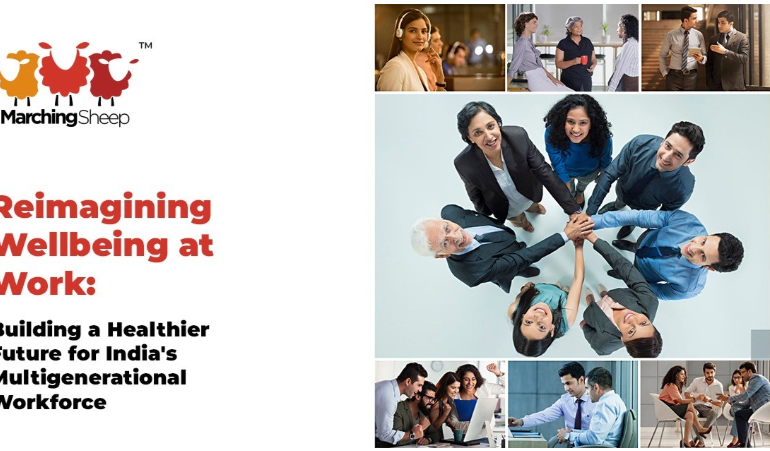
Reimagining Wellbeing at Work: Building a Healthier Future for India’s Multigenerational Workforce

India stands at historic crossroads. As the world’s youngest country, we are projected to have the largest workforce globally within the next decade. But with this opportunity comes responsibility.

We are currently navigating the needs of a minimum of at least four generations at work – Baby Boomers, Gen X, Gen Y(Millennials) and Gen Z, each bringing their unique perspectives, challenges, and expectations. From Gen Z’s emphasis on mental health and flexibility to Baby Boomers managing chronic conditions and planning for retirement, wellbeing must be personal, inclusive, and future-ready. It is therefore time for India Inc. to look beyond one-size-fits-all wellness programs.

Why Corporate Wellbeing Must Evolve Now

The workplace of today and tomorrow demands more than gym memberships and annual health checkups. The realities of modern work—be it hybrid models, economic uncertainty, rising burnout, or caregiving responsibilities—requires a multi-pronged approach to employee wellbeing that spans: Mental, Emotional, Financial, and Physical Health.

73% of Indian employees expect their employer to provide holistic wellbeing benefits including financial and mental health support, according to Mercer Marsh Benefits Survey, 2023.

Removing Mental Health Stigma Starts at the Office

According to a survey by Deloitte India, 2022, $14 billion is lost annually in India due to mental health-related issues like absenteeism, and attrition.

As India makes economic progress, mental health stigma lingers—and often shows up at work. The office can and must be the frontline of change. Leaders could take the lead, by actively advocating for therapy, normalizing conversations around burnout and anxiety, and ensuring policies protect and support mental wellness.

Mental health champions, first-aiders, manager training, anonymous counseling support, and flexible work hours can shift culture from silence to support. When the workplace becomes a safe space, it has a ripple effect into homes, communities, and across generations. (For example, as a first-time mother, I am becoming so much more aware, intentional and sensitive to how my own health – mental and physical has an impact on my parents, my spouse, my sibling and my child.)

Who We Call Family is Evolving — So Must Our Policies

The traditional definition of family is evolving—and so must our approach to health benefits. Today’s employees may live-in with their partners or be single parents. They may also choose to have children through adoption or surrogacy. Many corporate policies are yet to include critical benefits such as insurance coverage for all partners (married or otherwise) or for surrogacy and fertility treatments support.

In fact, only 5% of organizations in India cover same-sex partners under employee health benefits, as reported in the Equiv.in Workplace Inclusion Study, 2023.

Inclusive benefits must extend to all loved ones—not just spouses defined by traditional, typical and outdated frameworks. Whether it is access to medical insurance, parental leave, or mental health support, organizations must acknowledge and celebrate the diversity of families in India today.

Workplace wellbeing, for Persons with Disabilities (PWDs)

When India Inc. charts the course for PWDs, we must move beyond accessibility checkboxes to intentional, human-centered design. Wellbeing frameworks must recognize that PwDs may navigate unique stressors—from physical and digital barriers to social exclusion and unconscious bias.

This calls for customized benefits, such as accessible mental health platforms, assistive tech subsidies, flexible work arrangements, and caregiver support. As we reimagine the future of work, centering disability inclusion in wellbeing is not just the right thing to do—it is the smart thing to do.

Inclusion is a Health Strategy

Inclusion and wellbeing go hand in hand. For India’s multigenerational, multilingual, and socioeconomically diverse workforce, how do we design health interventions that are equitable and accessible? Sharing a few ideas on the same:

  • Communicate in regional languages to bridge literacy gaps.
  • Offer telehealth or mobile services for employees in tier-2/3 cities.
  • Normalize mental health support through leadership role modeling and peer champions.
  • My personal favourite Create feedback loops to continuously adapt offerings based on employee voice.

The Power of Personalization: Choice is the New Currency

A growing workforce of young, diverse professionals demands autonomy. What works for a 25-year-old single employee might not serve a 45-year-old caregiver or a 55-year-old nearing retirement.

Flexibility and choice must be at the heart of corporate health benefits. Whether it is customizing insurance plans, offering mental health days, menstrual leave, fertility support, creches, sabbaticals, or access to financial advisors—organizations must empower individuals to shape their own wellbeing journeys.

Imagine a future where employees choose from a benefits “menu” tailored to their life stage, cultural background, gender identity, or neurodiversity needs. That is the future-forward approach we as representatives of diverse organizations must lead.

In Conclusion: Health is Everyone’s Business

Remember: healthy companies are built by healthy people. And the future of work in India will thrive only when we prioritize health equity, choice, and empathy.

By investing in whole-person wellbeing today—mental, emotional, financial, and physical—we are not just supporting our employees, we are honoring their contribution and future-proofing our organizations.

As we choose health and flexibility, let us build a workplace where every person and every family belongs and thrives.

Link-  Reimagining Wellbeing at Work: Building a Healthier Future for India’s Multigenerational Workforce

Read more

Beyond the Noise. Keeping DEI on Course.

Understanding the Executive Decision Against DEI in the U.S. and Its Impact on India

In recent months, discussions around Diversity, Equity, and Inclusion (DEI) have intensified following executive decisions in the United States that advocate for “merit-based hiring.” Former President Donald Trump has positioned himself against what he views as identity-based hiring practices, asserting that opportunities should be granted solely based on qualifications and performance rather than factors like race, gender, or identity.

Some companies like Meta, Amazon, and Google have rolled back DEI initiatives, likely due to shareholder pressures and legal scrutiny. Others, like Apple, Costco, and Cisco, stand firm on their commitment to inclusion. Some, like McDonald’s, have simply rebranded their DEI initiatives while keeping the essence intact. The bottom line? DEI isn’t illegal, but it’s under more scrutiny, and companies need to be mindful of how they design their programs.

Understanding the U.S. Executive Order on DEI

First, let’s be clear—Trump’s executive order doesn’t make DEI illegal for private employers. Rather, it reinforces the long-standing principle that employment decisions should not be based on race, sex, or other protected characteristics. This means that companies can continue to promote diverse hiring pools, remove systemic barriers, and encourage inclusion. However, they must ensure that their programs do not inadvertently discriminate against any group.

For instance, organizations cannot restrict training, leadership development programs, or mentoring initiatives to employees of a particular race or gender. Additionally, hiring practices should not include preferences such as “women candidates preferred” or “men under 35 preferred.” Instead, companies can ensure diversity in applicant pools while still making merit-based hiring decisions. The core message is that DEI efforts must align with equal opportunity principles rather than creating identity-based advantages.

What Should Companies Keep in Mind?

So here are a few best practices I’ve always advocated—long before the anti-DEI movement in the U.S. gained traction—that still hold strong today. If you’re a U.S.-based company or an MNC operating in the U.S., following these principles will not only keep you compliant but also ensure that your DEI efforts remain meaningful and effective:

Private companies should evaluate their DEI initiatives to ensure they comply with the evolving legal landscape. Key considerations include:

  1. Ensuring Equal Access – All employees should have access to skills development and career advancement opportunities. This will include ensuring accessible infrastructure as well as digital accessibility, bias-free decision-making, and breaking of identity-based stereotypes.
  2. Avoiding Identity-Based Favouritism – No group should receive preferential treatment at the expense of others. Keep in mind that the customers and consumers of your products and services are as diverse as it gets. So playing favourites is counter-productive to sustainable business growth. For creativity and innovation to thrive in an organisation we need different mindsets, thought processes and ways of doing things.
  3. Reviewing Hiring Goals – Goals like achieving 40% gender diversity need to be revisited and achieved by reviewing a diverse range of applications rather than implementing hiring quotas. Making the process bias-free, from neutral job descriptions to building selection capability based on a candidate’s ability to do the job rather than affinity to any group etc. is a far better approach.
  4. Ensuring Neutral Language in Hiring – Job advertisements must not indicate preferences based on gender, race, or any other marginalised identity. On the contrary, building a strong EVP based on equitable policies, processes and communication will attract a relevant talent pool automatically.
  5. Encouraging Diversity Without Discrimination – Organizations can encourage diverse candidates to apply but must select employees based on qualifications and performance.

Impact on DEI in India

The executive decision in the U.S. does not have direct implications for DEI initiatives in India, as Indian corporate DEI efforts have historically been inclusion-forward rather than diversity-forward. Unlike in the U.S., private organizations in India have never adopted a quota system. Instead, the focus has been on removing systemic barriers, offering vocational and capability-building training, and creating equitable growth opportunities.

While the Rights of Persons with Disabilities (RPWD) Act recommends a 4% quota for PwDs, (unfortunately) the enforcement and monitoring remain inconsistent. Additionally, caste-based reservations exist within government organizations but India Inc. has (un)consciously kept this dimension at bay from its DEI strategy due to various socio-political complexities.

The Bottom Line: No Reason for Fear

DEI professionals and HR leaders in India must address misinformation and fear surrounding these developments. Panic often stems from a lack of clarity or the spread of misinformation. DEI isn’t “dead” in the U.S., and it’s certainly not going anywhere in India or globally. What’s changing is the way companies frame their efforts—moving away from identity-based preferences and towards equal opportunity. It is crucial to continue advocating for inclusion, reinforcing the message that Indian DEI efforts are built on a foundation of equal opportunity rather than enforced quotas.

As the global DEI landscape evolves, Indian organizations should stay committed to fostering an inclusive work environment while ensuring compliance with applicable legal frameworks. Inclusion professionals must lead with knowledge, clarity, and confidence, ensuring that DEI remains a strategic imperative rather than a misunderstood liability.

Link – Beyond the Noise. Keeping DEI on Course.

Read more

What steps are you taking to foster DEI in your organization?

The workplace is supposed to be one such place of connection for people who often feel isolated or overlooked. Visualize the power of your own story—how your upbringing, experiences, and unique perspective shape not only who you are but how you contribute to your team. Diversity, equity, and inclusion are real lives and real impact, not just policies or metrics.

Imagine working at an organization where every single person just celebrated their difference from everyone else – that the conversations sparked by differences produced meaningful engagement rather than discomfort. This is not some aspirational pipe dream, but a vision we can reach with each other. Let’s walk further through how embracing our diverse identities might lead us down the road to even better collaboration and innovation, ultimately providing a more meaningful work life for all of us.

Inclusivity speaks to the fact that each voice is heard and valued in an environment with a raft of differences. Think of a racing track: not everyone starts in the same place; some may need a head start to compete on a fair play. It helps ensure that people coming from different backgrounds, including what has been coined family histories, religious backgrounds, levels of economic statuses, and languages, do find a sense of belonging and being valued in the workplace.

Every individual brings different perspectives to the table. Their professional or personal experiences are enriching the collective understanding while fostering innovation. When we do listen to everyone in our organization, then it is bound to create a culture where every contribution is respected.

Why DEI is Important to Management

Employees may be lost if companies continue ignoring or undervaluing their suggestions and efforts. However, when workers are confident of being treated justly, regardless of race, gender, sexual orientation, or age, chances are that they will be retained and thrive. Managers will play an important role in this regard; they can make the best use of the diversity existing within their teams and foster a culture of inclusivity where authenticity is encouraged. It boosts morale and drives collaboration and trust among members.

Engagement is the key to build framework for Diversity, Equity, and Inclusion. Leaders are the connection between the staff and the organizational goals. With technology nowadays, it’s easy to collect feedback, be it a small team or an immense workforce. The solution-based mindset of a leader should make some effective change management work while making sure everyone belongs.

Still, so much more needs to be done. Even looking at the corporate setting, one would notice that the LGBTQIA+ community is still discriminated against—according to people for their sexual orientation and gender identity. There are things affected by such discrimination: one of them being job security and the general well-being of the employees. Negative attitudes toward these people include prejudice and stereotyping towards the prospect of true diversity. Organizations need DEI policies to ensure workplace safety while ultimately calling attention to such issues and creating a healthy work environment.

Not only this, we see biases at every step and to dismantle biases in hiring, promotion, and retention practices, organizations must first raise awareness of these biases through training and education. Revamping job descriptions to eliminate biased language and implementing blind recruitment techniques can help attract a diverse range of candidates. Standardizing interview processes and using diverse hiring panels ensures fair evaluations, while setting clear diversity goals and offering ongoing unconscious bias training fosters accountability. Regularly monitoring outcomes and evaluating retention practices are crucial for identifying areas needing improvement. Ultimately, creating an inclusive culture that values diversity at its core encourages openness and empowers all employees, paving the way for a more equitable workplace.

The fact is, without any organizational focus and attention, efforts can be certainly deficient. Complexities of human nature allow for potential biases and misunderstandings, but experiences of this sort may prove valuable in the process of formulating even more effective DEI strategies that better fit an organization’s culture.

The future of the landscape of DEI is constantly changing. Organizations cannot be static if they will create inclusive environments. As we move forward, metrics related to DEI will become essential for evaluating performance and guiding corporate reporting. With these initiatives, organizations can develop a culture to foster employees’ interests while furthering business success at the same time.

In sum, while differences are, indeed, an undeniable reality in our workplaces today, inclusion is a choice we make each day—and equity is the action we take to be sure everybody has a fair chance to succeed. Together, these principles create a sense of belonging that drives growth and innovation in our organizations. –

Link – What steps are you taking to foster DEI in your organization?

Read more

Are We Truly Committed to LGBTQIA+ Inclusion in Our Workplaces?

Creating an environment at our workplace that welcomes and includes all the LGBTQIA+ employees and consumers, not just a social responsibility but a strategic imperative to help advance our organizational culture and business results. I’d like to share with you why this commitment is crucial and how it can be appropriately implemented.

First of all, when we talk about businesses, we see consumer base and profits. So, there is substantial consumer potential for the LGBTQIA+ community. Studies have found that over half the LGBTQIA+ consumers avoid businesses that do not support their rights and identities by actively avoiding them. It is, therefore, a substantial market share that we cannot afford to disregard. An inclusive environment attracts these consumers and develops loyalty that will last much longer.

Next would be the impact on our workforce: when employees feel safe and respected for who they are, they are going to engage fully in their work. Authenticity breeds productivity, creativity, and innovation. It makes a place inclusive where different individuals have a feeling of contributing their unique perspectives toward making a more dynamic and successful organization.

Diversity of thought is the engine of innovation. Studies also indicate that companies with an inclusive culture have 60% chances of increasing profitability. The more we embrace the inclusion of LGBTQIA+, the more inviting it is to incorporate many different ideas and solutions for our good.

If we really want to build serious LGBTQIA+ inclusion, then a symbolic gesture is not enough. So, here are some effective strategies:

We should have stringent policies of non-discrimination that protect the rights of LGBTQIA+ at workplaces against all kinds of harassment and discrimination. These policies should be incorporated into the organisational documents, and there should be uniformity to all the communication channels regarding these.

Additionally, there is a need to bring awareness around our teams about the LGBTQIA+ terminologies, rights, and microaggressions. We can bring this culture where one feels completely appreciated and understood by educating ourselves and keeping open discussions alive with everyone.

When we think of benefits- Let all the benefits packages include all families. Health insurance covers same-sex partners or non-binary people, among others, and parental policies reflecting different family set-ups.

Inclusion of LGBTQIA+ must become a year-round promise and not a exercise for a particular month. Regularly celebrating diversity in various identities helps to normalize the experience within our workplace culture.

Lastly, it should be realized that LGBTQIA+ inclusion is a process, not an event. This means an assessment of our policies would be required periodically, meaningful dialogue pursued, and changes made following employee feedback. ERGs can be a vehicle in forging community and support among all staff.

Also, Leadership plays a crucial role in setting the tone for inclusivity within an organization. When senior leaders champion LGBTQIA+ inclusion, it sends a powerful message throughout the organization about the importance of acceptance and support for all employees.

By thoughtfully applying these strategies, we can build an inclusive workplace where everyone feels welcome—where diversity is celebrated and every voice matters. Such a commitment enriches not only our workplace culture but sets us up for long-term success in an increasingly diverse world. Let’s embrace this journey together. True inclusion benefits us all by fostering an environment in which everyone can thrive on both a personal and professional level.

Link – Are We Truly Committed to LGBTQIA+ Inclusion in Our Workplaces?

Read more

From Policy to Practice: Integrating DEI Across All HR Processes

Very often I hear from people in different organisations, “We have a DEI Policy” or “We want to design a DEI policy.”

My immediate question to them is- “What does your DEI policy cover, or intend to cover?” And each time, there is no clear answer.

In truth, there is nothing like a ‘DEI policy’.

Allow me to break this down.

The word ‘Policy” traditionally means a set of rules and guidelines that employees need to follow in an organisation. Leave policies lay down the category and number of leaves, the process and authorisation matrix for applying and approving leaves. Medical policies lay down medical allowances, what is covered and what is not, eligibility criterion. Similarly relocation policy, parental policy, child care policy and so on. Each of them lays down eligibility, the benefits and the processes around them.

Let us now look at DEI- Diversity Equity and Inclusion. These are not a set of entitlements or benefits that can be governed by a document and any single process. For organisations that truly want to drive inclusive culture, have equitable processes, and nurture a diverse workforce, they need to integrate the concept into every policy, process and ways of working.

For example, the Recruitment process needs to be inclusive. Which means it should lay down clear guidelines for inviting resumes from diverse sections of society when there is a job opening. The Process should include an Interview Panel that is diverse to avoid biases. Hiring Managers should have gone through unconscious bias training and competency based interviewing training.

Another example, Making leave policy inclusive. Does it consider different life stages, the evolving family structures & demographics in our workforce. Is it enough to have sick leave, casual leave, earned leave, maternity leave? Should we have paternity leave? Should we call it parental leave? Should we include terms like primary caregiver and secondary caregiver? What about adoption and surrogacy? Should we have mental wellbeing days? One organisation has introduced marriage leave since a large number of their workforce is in that life stage. Bereavement leave is another category that made its way into policies during covid. Sabbaticals are being offered by more and more companies.

The purpose of the above illustrations is, that what many people call as a DEI policy, is possibly a statement of intent and a set of targets. A statement of what they wish to drive as an organisation, what DEI means at that organisation. It is the Inclusion vision, and Diversity goals.

As we say at MarchingSheep- Equity needs action- creating equitable practices and policies. Inclusion is a choice where every manager and individual in the organisation makes these policies and processes come live and therefore is driven through awareness, sensitisation and communication. Diversity in the workforce, or numbers or representation, is an outcome which will happen if we get Inclusion and Equity right.

Hence, simply having a DEI intent on paper or websites is not enough. True progress comes from integrating DEI principles into every facet of the HR function, from recruitment and onboarding to performance management and career development and most importantly, the ownership shifts from HR to the entire organisation.

It sounds complex, but it really is not. All it needs is true intent and honest effort. Organisations have gone through so many transformations, this is just another one. Think of the time when there were no computers and today we cannot think of operating without one. Think of the time when data management used to happen on Excel sheets. Think of the time when employee engagement surveys were a pen and paper activity. It’s all in the mind!

So next time someone in your organisation says “DEI Policy”, break it down for them and systemically start work on the elements.


Link : From Policy to Practice: Integrating DEI Across All HR Processes

Read more

Pride Month might be over, but advocacy need not stop

During the month of June hearts burst with colours and pride, bold and bright, Voices rise, a symphony of love and light. Celebrating every human’s true identity. Corporates utilize this month of pride by launching inclusive marketing campaigns, showcasing support to this community through rainbow-themed products and branding, and additionally hosting events that celebrate LGBTQ+ employees and allies. They also sponsor Pride parades and donate to LGBTQ+ organizations, aiming to increase diversity and inclusion. Pride parades take place all around the globe during June giving millions an opportunity to showcase their support; however, Non-Binary Week and Day is an event of similar importance but little awareness.

What is Non-Binary Awareness Week

Non-Binary Week and Non-Binary Day are dedicated to celebrating and raising awareness about non-binary identities, which fall outside the traditional categories of male and female. Non-Binary Week is observed in the second week of July while Non-Binary Day is observed on 14th of July. They are specifically focused on recognizing and honouring non-binary identities. Both Non-Binary Week and Non-Binary Day provide opportunities for allies to show their support, for non-binary people to share their stories, and for society to learn more about non-binary gender identities; however the corporates of today often don’t pay as much attention to Non-Binary Week and Non-Binary Day compared to other events like Pride Month due to the lack of awareness and understanding. Many corporations may not be fully aware of Non-Binary Week and Day, or they may lack the understanding of the specific needs and experiences of non-binary people. Due to this lack of awareness, many companies would not see this as a valuable part of marketing or people strategy as corporations tend to focus on events that have the widest recognition and participation, which maximizes their brand visibility and impact. Pride Month, being globally recognized with large-scale events offers more significant opportunities for marketing and public engagement. Due to the previous two colossal reasons, companies may allocate their diversity and inclusion resources to broader initiatives that cover a wide range of LGBTQ+ identities rather than focusing on more specific observances like Non-Binary Week and Day. However, inclusion and awareness initiatives need to be an all year round effort if we want to make a significant social impact.

Understanding the Binary Conditioning

Cisgender individuals, like everyone else, are conditioned to adhere to binary gender roles from a young age. This conditioning influences various aspects of life, including dressing, hobbies, career choices, and personality traits. Society often dictates what is appropriate for men and women to wear, limiting self-expression and reinforcing stereotypes. Certain activities are labeled as masculine or feminine, discouraging people from pursuing interests that don’t align with these labels. Gender expectations can steer individuals towards specific career paths, affecting job satisfaction and personal fulfillment. Traits such as assertiveness or nurturing are often ascribed to specific genders, restricting personal growth and authenticity.

The Liberation Through Non-Binary Awareness

Embracing non-binary ideas can liberate everyone, including cisgender individuals, by expanding self-expression, reducing stereotypes, encouraging authenticity, and enhancing empathy and understanding. Understanding that clothing, hobbies, and interests don’t have to fit into a binary mold allows people to explore and express their true selves without fear of judgment. Acknowledging that traits and abilities are not inherently gendered can lead to a more inclusive and supportive environment for personal and professional development. When society recognizes and accepts diverse gender identities, it creates space for everyone to be authentic, reducing the pressure to conform to rigid norms. Learning about non-binary experiences fosters empathy, encouraging cisgender individuals to question their own biases and become allies in the fight for equality.

How to Support?

To address the issues surrounding corporate attention to Non-Binary Week and Non-Binary Day we will have to take several steps to ensure to this community the support they deserve. Beginning by increasing awareness and understanding through educational initiatives. Corporations can invest in awareness programs and workshops to raise awareness about non-binary identities among their employees and leadership. Partnering with LGBTQ+ organizations to provide these resources can ensure accurate and comprehensive information. Along with internal campaigns, launching internal awareness campaigns leading up to Non-Binary Week and Day, using newsletters, intranet articles, and social media to educate employees. After raising awareness, corporations could integrate Non – Binary recognition into marketing strategies and highlight Non – Binary voices. By featuring these individuals of strength and their stories in marketing campaigns, advertisements, and company communications, along with collaborating with Non-Binary influencers to promote Non-Binary Week and Day. Their platforms can amplify the message and reach wider audiences. Showcasing diverse experiences can build a more inclusive brand image.

Raising awareness and showcasing support would be futile unless companies realise not only the commercial value but also the social value of this week. By understanding that supporting non-binary recognition is not just a marketing opportunity but a commitment to diversity and inclusion. This long-term investment can enhance the company’s reputation and loyalty among consumers and employees alongside giving the much needed support to this community. To achieve this they would need to show support and promote inclusivity all year round. Integrate Non-Binary visibility into broader diversity and inclusion efforts ensuring that support extends beyond that single week. They will have to allocate resources for targeted efforts like creating a communication calendar for activities and events during this special week, including sponsoring community events, hosting webinars, and creating educational material.

Conclusion

By adopting these solutions, corporations can play a significant role in promoting visibility and providing support for Non-Binary individuals during Non-Binary Week and Non-Binary Day and give this event the recognition it deserves.

Link : Pride Month might be over, but advocacy need not stop

Read more

Recovering Stronger: Building Resilient Organizations

At MarchingSheep, we believe that true resilience shines through in the face of adversity. Our team member Nandini Aggarwal has her own inspiring story that beautifully illustrates this principle.

DEI and organizational development are deeply ingrained in our team. Whether in the boardroom or the hospital, we consistently find parallels that reinforce the importance of these principles in every aspect of life and work.

Join us in celebrating the strength and resilience that drives our team forward.

Resilience hashtagDEI Leadership OrganizationalDevelopment Adaptability Inclusion GrowthMindset BusinessStrategy MarchingSheep

Kunal S. Sonica Aron (She/Her/Hers) Krati Vyas Ishu Chaudhary Bhaskar Batri

Since earning my master’s in organizational psychology, I’ve had the privilege of working with Marching Sheep to help organizations make a difference in employees’ lives and careers. Supporting various facets of diversity in the workplace has positioned me right in the heart of organizational development (OD) and diversity, equity, and inclusion (DEI).

Last year, while delivering sessions on adaptability across India, I suffered a significant ACL injury — a stark deviation from my identity as a former parkour athlete, where split-second decisions and physical agility were part of my daily existence. This deviation from my former capabilities to being bedridden was not just a physical shock but a profound psychological ordeal. There, in a hospital bed in Ahmedabad, the concepts of resilience and adaptability that I had so often taught in workshops were no longer just theoretical frameworks used in facilitation; they became the lenses through which I viewed my own journey of recovery and adaptation. Every aspect of my being—physical, mental, and emotional—was now engaged in a real-time case study of the very principles I championed.

Understanding ACL and Its Implications

Fast forward, it’s been about 7 months since my ACL surgery. The anterior cruciate ligament (ACL) is one of the key ligaments that help stabilize your knee joint. The ACL connects your thighbone (femur) to your shinbone (tibia). It’s most commonly injured during sports that involve sudden stops and changes in direction — like parkour in my case. ACL surgery is a complex procedure that involves replacing the torn ligament with a piece of tendon from another part of your knee or from a deceased donor. Recovery from ACL surgery can take six months to a year, depending on the extent of the injury and the success of the surgery. It typically involves extensive physical therapy to restore strength and mobility to your knee.

As I was lying on bed trying to navigate the new realities of my life, I thought about the turmoil  organisations go through is not so different than the ACL injury I went through, big changes, AI, leadership change, new systems, a new competitor and much more, all of these possess a similar threat to organisations as my ACL injury. If these uncertainties are not met with a careful rehabilitation process, then the corrective measures can come in the way of progress rather than solving the challenges.

What a sports injury recovery processes teaches organisations?

Here, I explore how the lessons learned during my physical rehabilitation provided profound insights into organizational development and sustainability. Each phase of my recovery had a corporate counterpart. Additionally, the emotional toll of feeling sidelined due to my injury also highlighted the isolation that can accompany workplace transitions, particularly among diverse employee groups. This personal experience deepened my commitment to DEI, underscoring the necessity of inclusive practices that consider the varied human aspects of organizational life.

Standing in the middle of recovery, OD and DEI, I know organisations are not immune to ACL like challenges. This is what my ACL recovery taught me about organisation sustainability.

The diagnosis: A holistic understanding the Core Issues

ACL rehabilitation includes various treatments (surgery, physical therapy, mental health support), similarly comprehensive DEI strategies should encompass multiple facets of the workplace. For my ACL, this meant understanding exactly how and where the injury had occurred, assessing the damage, and planning the recovery. Similarly, an organization must evaluate its processes, culture, and structure to identify vulnerabilities or areas for improvement. This could involve employee feedback, performance metrics, or financial assessments, which collectively provide a comprehensive picture of organizational health.

With an ACL injury, it’s not just the surgeons who help you, it’s really a diverse team of healthcare professionals (caretakers, physiotherapists, psychologists) who contribute different perspectives and expertise in ACL recovery, diverse teams in an organization bring varied perspectives that enhance problem-solving and innovation. An inclusive culture ensures that everyone feels valued and supported, much like each professional contributing uniquely to rehabilitation.

The Recovery Plan: Strategic Development

Developing a recovery plan for an ACL injury involves setting realistic goals and milestones, much like strategic planning in an organization. The plan must be adaptable, detailed, and paced according to the capacity for change. In my recovery, as in an organization, this meant balancing ambition with practical constraints and focusing on gradual yet consistent improvement. For a business, this might translate into incremental changes in management practices, gradual digital transformation, or phased cultural shifts to ensure long-term sustainability.

In the case of ACL recovery, treatments are personalized based on the patient’s specific health needs, lifestyle, and recovery goals. Similarly, equity in the workplace doesn’t mean treating everyone the same; it means giving everyone what they need to succeed. Understanding and addressing specific challenges faced by different groups (such as underrepresented minorities, people with disabilities, etc.) can help in creating equitable opportunities for all. This could involve creating more flexible working conditions for parents, providing specific career development support to underrepresented groups, or implementing mentoring programs targeted at helping employees from diverse backgrounds advance within the company.

Physical Therapy: Implementing Change

Rehabilitation from an ACL injury requires consistent, dedicated physical therapy. This is akin to the implementation phase in organizational change, where strategies are put into action. It’s about translating theoretical strategies into practical, everyday actions that employees can follow. This phase must be monitored closely, with regular feedback loops, allowing for adjustment and ensuring that the change becomes embedded in the organizational fabric.

Just as equitable access to medical equipment, specialized care, and rehabilitation facilities is critical for effective ACL recovery, ensuring that all employees have equal access to implementation resources is crucial in a corporate setting. This might look like ensuring that all employees, regardless of location or status, have access to communication, training and development resources, can use necessary technologies, and are informed about company benefits and support systems.

Monitoring and Evaluation: Continuous Improvement

As I monitored my recovery progress, adjusting the treatment as needed, I learned that continuous evaluation is critical in any long-term plan. For an organization, this means regularly assessing the effectiveness of implemented changes. Are the new processes yielding the desired results? Is the organizational culture shifting in the right direction? Organizations could set specific, measurable goals for recognizing achievements and pinpointing areas that still need improvement.

ACL recovery often requires patients and caregivers to adapt to setbacks and learn from them. In an organizational context, DEI strategies should be flexible enough to adapt to new information and changing societal contexts. For instance, what works for promoting gender diversity might not work as well for ethnic diversity or disability inclusion, and strategies need to evolve based on ongoing learning and employee feedback.

Long-term Health: Sustainability and Resilience

The final stage of ACL recovery involves strengthening the muscles around the knee to prevent future injuries. Similarly, organizational sustainability is about strengthening the business to withstand future challenges. This could involve nurturing a culture of resilience, fostering innovation, and building a diversified portfolio. Long-term health in business, as in physical recovery, is about more than just returning to ‘normal’—it’s about reaching a new state of enhanced functionality and resilience.

The emotional and psychological support provided during ACL rehabilitation can significantly impact recovery outcomes. Similarly, a supportive workplace culture is essential for effective change management. This includes leadership visibly supporting DEI efforts, an organizational culture that values open dialogue about differences, and systems that support individuals in speaking up about discrimination or harassment.

Conclusion:

A Broader View on DEI and Organizational Health Recovering from an ACL injury taught me that resilience, whether physical or organizational, requires awareness, careful planning, consistent action, and ongoing adaptation. Just as my knee is becoming stronger through rehabilitation, a company can become more robust and flexible through thoughtful and deliberate change initiatives. The parallels between healing from an injury and steering an organization toward sustainability are clear and compelling, highlighting the universal principles of growth, resilience, and continuous improvement.

Through this journey, both in the clinic and the boardroom, I’ve learned that the key to long-term success lies in embracing the challenge of change, nurturing flexibility, and always striving for improvement. Whether in the human body or an organization, sustainability is a testament to the power of resilience and the importance of adaptability in the face of adversity.

Link : Recovering Stronger: Building Resilient Organizations

Read more

Diversity Fatigue is real, and dangerous

Diversity and Inclusion (D&I) initiatives have become a cornerstone of modern workplaces and social progress. However, a curious phenomenon has emerged – Diversity Fatigue. This describes a state of mental and emotional exhaustion arising from the constant focus on outcomes of inclusion efforts. While seemingly counterintuitive, it’s crucial to understand why diversity fatigue occurs and its potential pitfalls.

Several factors contribute to diversity fatigue:

Perceived Lack of Progress:
When D&I efforts seem slow-moving or lacking tangible results, it can lead to discouragement and a sense of futility. This is especially true for those who dedicate significant time and energy to these initiatives.
Focus on Numbers, Not Culture: If diversity goals becomes a box-ticking exercise, just about hiring a certain quota of people, it can feel disingenuous. True inclusion requires fostering a culture of respect, understanding, and belonging – which goes beyond mere numbers.

Unequal Burden:
D&I work often falls disproportionately on underrepresented groups or a few people. This can lead to feelings of burnout and resentment, as they struggle to balance between their core jobs and additional inclusion-related responsibilities, often unappreciated and not recognised nor rewarded.

Overwhelming resistance
: Despite so much research on the topic, so many people trying to create awareness on social media, even tinsel town joining in creating thought provoking movies and series, a large segment of people who enjoy ‘majority’ status and privilege remain non-committal, vociferously or passively resistant to change.

Oversaturation of DEI Talk:
Constant conversations about diversity, while necessary, can become overwhelming, particularly in the absence of tangible change. This can lead to a sense of information overload and a disengagement from the topic altogether.
Lack of Resources and Support: Meaningful D&I initiatives require dedicated resources and support from leadership. Without them, the effort feels half-hearted, tokenised and lip service, leading to fatigue among those trying to make it work.

Mismanagement of Expectations:
Inclusion is a journey, not a destination. Setting unrealistic expectations of immediate change, demands of ROI on interventions, can lead to frustration and fatigue when those expectations aren’t met.

Diversity fatigue can have both immediate and long-term consequences:
Short-Term Outcomes:
Reduced Participation: When people feel exhausted, unappreciated and unrecognised for their efforts, they’re less likely to participate in workshops, training, or committees focused on inclusion. This weakens the overall D&I effort as there is less engagement and contribution from a wider range of voices.

Reduced Trust: Employees from underrepresented groups may feel like they’re simply hired to meet quotas, not valued for their skills and contributions. This erodes trust and creates a feeling of inauthenticity within the organization. Furthermore it creates a tacit divide between the groups under focus and majority groups. For example, usage of the term ‘diversity candidate’ has now become synonymous with women candidates. And very often women, hired on the basis of their competence and experience face discrimination from their peers for being a ‘diversity’ or ‘quota’ candidates.

Surface-Level Diversity:
Hiring for numbers, or celebrating specific months, like the month of March for women, June for Pride and December for PWDs, without fostering inclusion creates a situation where diverse people are present, but not necessarily heard or valued. This can lead a further sense of futility amongst those working towards the purpose of inclusion.

Employee Burnout: Feeling constantly responsible for D&I progress, being seen as the torch bearer can lead to exhaustion and a decline in overall job satisfaction in the absence of systemic support. This can lead to decreased productivity and higher turnover among these valuable employees.

Long-Term Outcomes

These short-term consequences, if left unchecked, can result into even bigger problems in the long run:

Cultural Impact:
Apathy towards D&I efforts slows down progress towards creating a truly inclusive and respectful culture where everyone feels valued and respected. This can lead to a loss of talent, erosion of human capital, disruption in business continuity, decreased innovation, and a negative impact on the organisation’s bottom line. With the evolving workforce demographics, organisations cannot really afford to ignore fostering an inclusive culture.

Erosion of Employer Brand:
A reputation for lack of commitment to diversity can make it difficult to attract and retain top talent, especially from underrepresented groups.

Missed Opportunities:
Diversity brings a wealth of perspectives and experiences to the table. When inclusion fails, organizations miss out on the potential for innovation, problem-solving, competitive advantage and growth.

The ‘S’ of ESG
: Today, the top 150 organisations by market capitalisation have to submit BRSR (Business responsibility and sustainability Report) annually and this number will of to 1000 by 2027. The report includes question of representation of women, people with disabilities, growth and development initiatives etc.
Diversity fatigue is a real hurdle on the path to inclusion. By understanding the causes and taking proactive steps, organizations and individuals can work together to maintain the momentum towards a more diverse and equitable future for all.
·
Focus on Outcomes, Not Outputs: Numbers tell a story, but they’re not the whole story. Sure, track participation rates in workshops, but also measure the impact of D&I initiatives. Are employees feeling more valued and respected? Is there a sense of belonging? Shifting the focus to real-world outcomes demonstrates the true value of D&I efforts and keeps everyone motivated.

· Empowerment, not Burden: D&I shouldn’t be an extra duty solely for a few. Spread the ownership! Encourage everyone to be a champion for inclusion. Employees experience an organisation through managers. Are Managers equipped to build an inclusive and psychologically safe team environment?

ERGs with Teeth:
Create Employee Resource Groups (ERGs) with clear sponsorship, structure, resources, goals and rewards. ERGs are not only for people to get together to share and vent but to table concerns that can lead to positive change.

.Authentic Leadership: Actions speak louder than words. Senior leadership needs to demonstrate genuine commitment to D&I through their actions, not just pronouncements. Allocate resources, participate in D&I initiatives, and hold themselves and others accountable for progress. When leaders walk the walk, it inspires trust and motivates others to follow suit. Being a sponsor for an ERG but not attending the meetings or participating in the initiatives; having a POSH committee but not following its recommendations or influencing its recommendations, these are all signals of leadership that has not bought into the agenda.

· Open Communication: Silence breeds suspicion. Maintain open and honest communication about challenges and progress. Address concerns and frustrations proactively. Regular town halls, surveys, and anonymous feedback mechanisms can help identify issues early on and ensure everyone feels heard. Its alright if budgets are tight and its difficult to allocate funds. There can be a nudge towards inclusion initiatives that can be rolled at minimal or no cost and still drive the agenda.

· Celebrate Milestones: Building inclusion is a marathon, not a sprint. Acknowledge and celebrate successes, big and small, to keep spirits high and maintain motivation. Did a new policy improve representation in a specific department? Did a training session spark productive conversations? Recognize these wins and use them to fuel further progress.

· Invest in Resources: Provide dedicated resources, training, and support for D&I initiatives. This could include unconscious bias training, mentorship programs, or funding for ERG activities. Investing in resources demonstrates a long-term commitment to creating a truly inclusive environment where everyone can thrive.

· Monitor and invest in leading indicators- Representation is an outcome. However, Inclusive Job descriptions, inclusive hiring processes, pay parity, child care and parental support are all processes that will lead to an employee feeling valued and taken care of, thereby increasing retention of talent from all sections and diverse groups.
Diversity fatigue is real and can be extremely detrimental for organisations, the economy and society as a whole. It is not a responsibility of a few handful people, but all of us. We all want to feel a sense of belonging, to feel included, to be heard and valued. Let’s create this world for everyone.

Link: Diversity Fatigue is real, and dangerous

Read more

Indian DEI Landscape under Casting Shadow

Prologue

April holds significant importance for Dalit, Bahujan and Adivasi (DBA) community, encompassing the birth of Dr. Bhim Rao Ambedkar and the death anniversary of Mahatma Jyotirao Phule. Inspired by Black History Month, a group of Dalit women launched the Dalit History Month project in April 2015 in the US and ever since, April has been recognised as Dalit History Month dedicated to recognizing and commemorating the contributions, struggles, and achievements of Dalits.

Penning down this article is my way of celebrating Dalit History Month. It attempts to raise some of the most pervasive questions and challenge the perceptions that I couldn’t do growing up but feel confident now to address them.
Let’s break down the concept of the caste system for the neophytes.

The caste system is a hierarchy that divides people into rigid social groups based on their birth, occupation and perceived purity. At the top of the caste system are the Brahmins, traditionally priests, teachers and intellectuals, who are considered the highest caste due to their association with knowledge and spirituality. Below them are the Kshatriyas, who historically were warriors and rulers, responsible for protection and governance. Then come the Vaishyas, who are merchants and landowners, responsible for commerce and agriculture. At the bottom are the Shudras, who typically perform manual labour, artisans and service roles.

Outside of this four-fold varna system are the Dalits, formerly known as “untouchables,” who have historically been relegated to the lowest social positions, performing tasks considered ritually impure, such as sanitation work.

The Oldest Civil Rights Movement

One of the earliest recorded instances of organized resistance by Dalits is the Bhakti movement in medieval India, where some Bhakti saints like Ravidas and Kabir challenged caste-based discrimination through their teachings and actions.
However, it was during the British colonial rule in the 19th and early 20th centuries that the Dalit rights movement took more organized forms. Leaders like Jyotirao Phule, Ambedkar, and Periyar E.V. Ramasamy played pivotal roles in advocating for the rights of Dalits and challenging the caste system through social and political reforms.
P.S. Comparing the timelines, the modern Dalit rights movement predates the organized Black rights movement in the United States by several decades. And yet, it is the least acknowledged dimension of diversity by corporate India. Hmmm, wonder why…!?

Busting some common myths and misconceptions

1. Caste is a Thing of the Past and is no longer relevant in modern India. While overt expressions of caste discrimination may be less visible in certain contexts, caste-based prejudices and inequalities still exist and can manifest in subtle ways, including social interactions, workplace dynamics, and access to opportunities. How many Dalits do we have in the senior leadership positions today? How do young Dalit professionals aspire to grow when there is no visibility of people like them at the top? Why do you think some of us stop using our last name or change it to a more neutral last name that doesn’t give away our caste?

2. Caste doesn’t affect urban professionals: There’s a misconception that caste only affects people in rural or traditional settings and doesn’t influence the lives of urban professionals, particularly those in corporate environments. However, caste identities can still play a role in urban areas, influencing social networks, cultural practices, and even hiring practices in some cases. You might have noticed tiffin or catering service providers dropping their last name or casually mention their caste to promote their small scale businesses. Several times I have come across house helps informing their caste when they are being interviewed. Why do you think they do that? What are they trying to really convey? And more importantly, why does it appease most of us when it’s not even relevant?

3. Meritocracy Eradicates Caste Discrimination: Another myth is that meritocracy alone can overcome caste-based inequalities. While merit-based systems are essential for promoting fairness and equal opportunities, they don’t automatically eliminate the structural barriers and biases that stem from the caste system. Factors like socio-economic background, access to education, and inherited privileges can still shape outcomes, even in ostensibly meritocratic environments. For example, a “self-made” non-Dalit person may rightfully take pride in their accomplishments but they can not undermine the contribution of knowing the right people, being present at the right time, role of better education, access to private and confidential information, being welcomed in influential circles etc. which comes with the unacknowledged privilege of upper caste.

4. Caste Is Irrelevant in Globalized Corporate Culture: Many of us acknowledged the caste system as a diversity dimension for the first time when we heard about the Google case involving allegations of caste discrimination in 2020 and later again in 2022 for cancelling a talk on caste bias. And yet, larger population believes that caste distinctions are irrelevant and therefore overlooked. However, caste identities can persist among Indian employees, influencing interpersonal dynamics, social networks, and career trajectories, even in multicultural settings.

5. Caste-Based Reservation Leads to Reverse Discrimination: Some individuals believe that affirmative action policies, such as caste-based reservations in education and employment, unfairly disadvantage those from higher castes. While debates around reservation policies are complex and multifaceted, they aim to address historical injustices and create opportunities for marginalized communities to participate in social and economic life on an equal footing. Some of us are privileged to have generational wealth and family money. Well, most of the Dalit folks are only familiar with generational trauma and family debts. How can an oppression that lasted centuries and generations and deeply impacted the perception of self-worth and identity be nullified through reservations that provide opportunity to a smaller fraction of relatively privileged minority while the larger underprivileged Dalit population continues to live in the shadow and dust? And how fair is the tendency to exemplify a handful of successful Dalit figures to portray and glorify the current reality of the Dalit community today?

Epilogue

This article raises a lot of questions and puts forth a point of view that may make some readers uncomfortable. A few might feel offended too. But that’s a risk I am willing to take.

In today’s world, where there’s a growing emphasis on playing it safe and being politically correct, it’s time for not just organizations, but for all of us to embrace a more courageous approach. Inclusion will take courage, it will need asking and answering tough questions and getting out of our comfort zones, even questioning our own privilege if necessary.

It’s disheartening to see that Dalit History Month often goes unnoticed and uncelebrated in Indian corporate circles. However, true progress requires us to recognize and confront uncomfortable truths, including the pervasive issue of caste bias.
Instead of shying away from topics like casteism, let’s embrace the opportunity to foster open dialogue and understanding within our organizations, our networks. For change rarely comes without discomfort, and meaningful progress often requires challenging the status quo!

Jai Bhim!

P.S. “Jai Bhim” is a greeting of great cultural and political significance among Dalit community, supporters of Ambedkarite ideology, allies and advocates of social justice and equality. Using this greeting is a great way of demonstrating your allyship to the community.

Read the article : Indian DEI Landscape under Casting Shadow

Read more